Family-based immigration is the heart of our practice. Whether you're marrying a U.S. citizen, sponsoring a parent, bringing siblings to the United States, or removing the conditions on a 2-year green card, we have helped Central Florida families navigate every step of the process for nearly three decades.
Family-based immigration cases we handle
The family-based immigration system is divided into two broad tracks. Immediate relatives of U.S. citizens — spouses, unmarried children under 21, and parents — have no annual cap, so cases move as fast as USCIS can process them. Family preference categories (adult children, married children, siblings of U.S. citizens, and family of lawful permanent residents) are subject to annual caps with multi-year wait times tracked in the State Department's Visa Bulletin.
The case path also depends on where the beneficiary lives. If your relative is already in the United States and entered legally, we usually file Form I-130 (petition) concurrently with Form I-485 (adjustment of status), which lets them stay during processing and obtain work authorization (I-765) and travel permission (I-131). If your relative is abroad, the path is consular processing through the National Visa Center and the U.S. consulate in their country.
For fiancés living abroad, we use the K-1 visa, which lets the fiancé enter the U.S. and marry within 90 days, then adjust status to a green card. For spouses living abroad, the K-3 spouse visa or direct consular processing of the I-130 are both options — the right choice depends on your timeline and circumstances.
We also handle the often-tricky I-751 removal-of-conditions petitions for 2-year conditional green card holders, including waivers when a marriage has ended in divorce, abuse, or extreme hardship.
A clear process, from first call to final approval
Free consultation
We map out your family's eligibility and the realistic timeline for each option.
Document gathering
We tell you exactly what evidence to collect and review every document before submission.
Filing & advocacy
We prepare and file all forms, respond to RFEs, and prepare you for the interview.
Approval & beyond
After approval we handle removal of conditions and the path to citizenship.
What clients say
Attorney Gustavo Vargas is an outstanding immigration attorney. He demonstrated remarkable knowledge, professionalism, and genuine compassion. He guided me through an incredibly difficult and emotional process with patience, clarity, and confidence. His expertise and dedication brought peace of mind during a very uncertain time. I am truly grateful for his help and would highly recommend Attorney Gustavo Vargas to anyone facing immigration challenges.Lyn D
Mr. Gustavo Vargas was my lawyer twice, years ago for my immigration process and now for my husband's. He is extremely Professional and knowledgeable about the entire process. Both times it was a success story! Highly recommended. Thank you so much.alba inacio
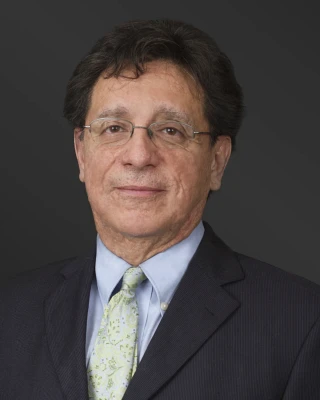
Gustavo Z. Vargas, Esq.
Gustavo Vargas has handled family-based immigration cases since 1996. He is Florida Board Certified in Immigration and Nationality Law and has represented clients before USCIS, the Orlando Immigration Court, the Board of Immigration Appeals, and the U.S. Court of Appeals for the Eleventh Circuit.
Born in Lima, Peru, he speaks fluent Spanish. He earned his J.D. at Florida State University in 1992.
Family immigration questions we hear most
My U.S. citizen spouse and I just got married. What do we file?
If you are already in the United States and entered legally, the typical filing is Form I-130 (petition for an alien relative) and Form I-485 (adjustment of status to permanent resident) submitted concurrently, along with Form I-765 (employment authorization) and Form I-131 (advance parole for travel). Once filed, you generally cannot leave the U.S. without advance parole. Processing in the Orlando jurisdiction commonly takes 10–14 months from filing to interview.
My fiancé lives abroad — should we use a K-1 fiancé visa or get married abroad first?
Both options are valid; the right choice depends on your situation. K-1 lets your fiancé enter the U.S. and you have 90 days from arrival to marry, after which you adjust status. Marrying abroad and using consular processing or a K-3 visa is often faster overall and avoids the additional adjustment-of-status step. We compare both timelines for your specific case at the consultation.
My green card is conditional (2-year). What is I-751 and when do I file?
A conditional green card (issued when the marriage was less than 2 years old at the time of approval) requires Form I-751 to remove the conditions and convert to a 10-year green card. You must file in the 90-day window before the 2-year expiration date. Joint filing with your spouse is the default; waivers exist if the marriage ended in divorce, you suffered abuse, or removal would cause extreme hardship.
Can I sponsor my parents?
Yes, if you are a U.S. citizen 21 or older. Parents are immediate relatives, so there is no annual cap. The process is similar to spousal sponsorship: I-130 plus I-485 if your parents are in the U.S., or I-130 plus consular processing if they are abroad. Joint sponsors may be needed if your income alone does not meet the affidavit-of-support requirement.
How do I sponsor my siblings?
U.S. citizens can sponsor brothers and sisters under the F4 family preference category. The wait is currently more than 13 years for most countries (longer for Mexico, Philippines, and India). The petition itself locks in your sibling's priority date, but the wait between filing and a green card is multi-decade. Many clients file for siblings precisely to lock in that priority date.
What documents prove a real marriage?
USCIS evaluates marriage cases for evidence of a "bona fide" relationship. Strong evidence includes joint bank accounts, joint leases or mortgages, joint utilities, joint tax returns, photos across the duration of the relationship (not just the wedding), travel itineraries together, insurance policies naming each other as beneficiaries, and affidavits from family and friends. Weak documentation is a top reason cases are flagged for fraud-marriage interviews.
Do you handle cases for same-sex couples?
Yes. Same-sex marriages have been recognized for federal immigration purposes since 2013 (United States v. Windsor). The legal analysis and evidentiary requirements are the same as for opposite-sex couples.
Ready to talk about your case?
Free 30-minute consultation. No obligation. Confidential. Available in English or Spanish.
Visit our Orlando office
545 Delaney Ave, Building 4
Orlando, FL 32801
(407) 835-1009
ilc2@immlawcenter.com
Mon–Fri 9am–5pm. 2 miles from the Orlando Immigration Court.
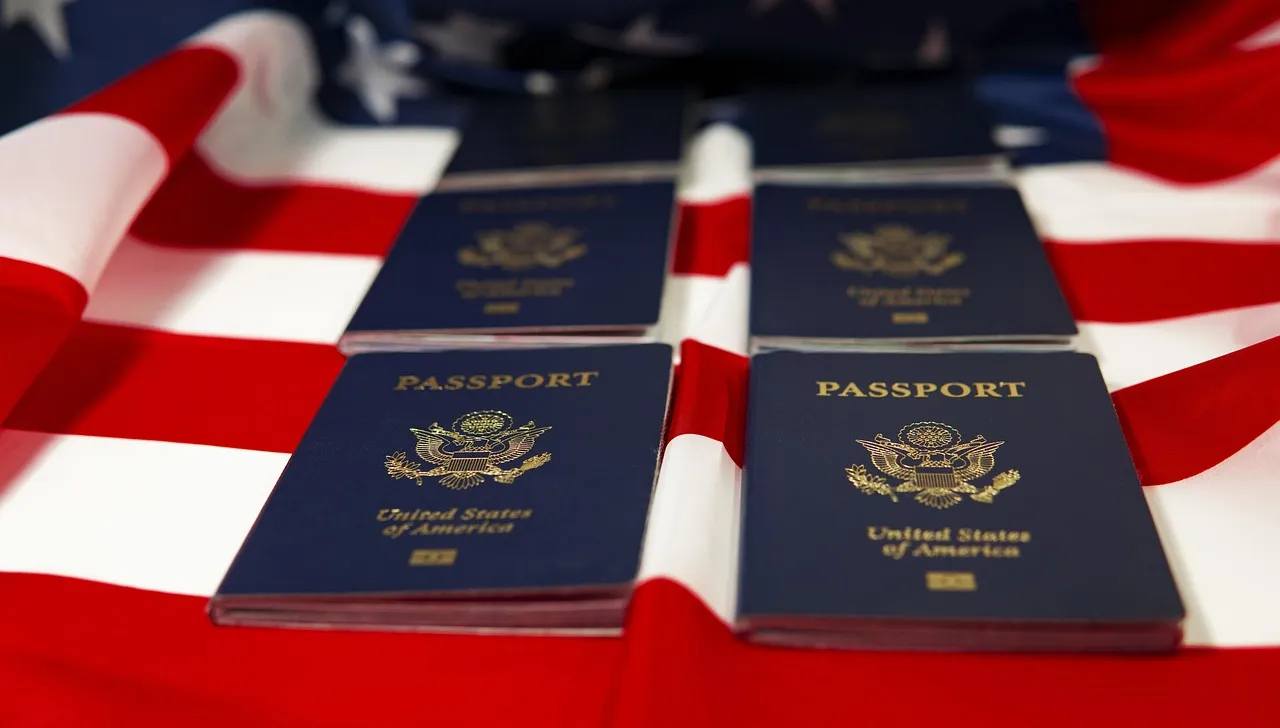
Photo credit: Photo by JoshuaWoroniecki on Pixabay
How do I schedule a consultation?
Send the form below, call the office, or email us, and we will get back to you. The first consultation is free, and we can hold it in English or Spanish. Bring any notices you have already received from USCIS or the immigration court, since those set the deadlines that matter most.
4.4 out of 5 across 25 Google reviews.
“After 25 years of waiting he helped us to get our Green cards.” — Rosa Nuňez Picasso, Google review